



























Imported Ingredients ≠ Better Ingredients: What To Look For In Supplements

There’s a quiet assumption many of us make when buying health products: if something has travelled farther, it must have gone through a better process.
That assumption can make the word “imported” feel more reassuring than it actually is.
But when it comes to supplements, quality isn’t decided at the airport. An ingredient’s source is only one part of the story. Its form, purity, potency, testing, manufacturing and the evidence behind it can matter just as much.
So, are imported ingredients better? Not necessarily.
The more useful question is, what to look for in supplements?
This guide breaks down the details that matter, assesses ingredient quality and makes sense of supplement claims without getting carried away by the packaging.
Why “Imported” Isn't the Same as “Better”
Imported ingredients can certainly be valuable. Some specialised ingredients, patented forms or specific manufacturing technologies may only be available from certain suppliers around the world.
But “imported” only describes origin.
It doesn't automatically tell you:
-
How pure the ingredient is
-
Whether its identity has been verified
-
How much active ingredient it contains
-
How stable it is
-
Whether the finished product was properly tested
-
Whether there is research supporting its particular form
Consider it like buying a packaged food product. Knowing that one ingredient came from another country might sound impressive, but you'd still verify the ingredients, nutritional information, manufacturing details and expiry date.
Supplements deserve the same level of attention.
What to Look for in Supplements Beyond the Front Label
If you're wondering what to look for in supplements, don't stop at the big claims printed on the front. Turn the bottle around.
1. Check the exact ingredient form.
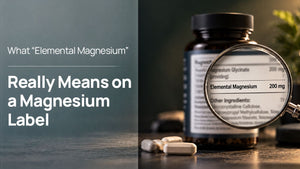
“Magnesium” isn't enough information.
You may find magnesium glycinate, citrate, oxide and other forms. Similarly, vitamins and plant-based ingredients can come in different forms and preparations.
The form matters because different forms can have different characteristics, including absorption, stability and tolerability.
So instead of asking only, “Is this ingredient imported?”, ask:
“Which form is being used, and why?”
That's a much more useful question when comparing supplement quality.
2. Look at the actual quantity.
A familiar number on supplement labels is 100% RDA.
But what is the 100% RDA meaning?
RDA refers to the recommended dietary allowance, the daily intake level estimated to meet the nutrient needs of nearly all healthy people in a particular group.
That makes 100% RDA meaning useful when understanding how much of a particular nutrient a supplement provides.
But here’s what it does not mean: 100% RDA does not mean 100% of all the nutrients your body needs.
Your dietary requirements change with age, gender, life stage and overall diet.
So when you see 100% RDA, look at the individual nutrients behind that number.
The 100% RDA meaning is about a reference intake, not a complete assessment of supplement quality.
3. Don't confuse “natural” or “premium” with proof.
“Natural.”
“Premium.”
“Imported.”
“Advanced.”
These words can make a product sound trustworthy, but they aren't enough on their own.
One of the most important things to consider when evaluating supplement quality is transparency.
Can the brand tell you what is actually inside the product? Are the ingredient amounts clearly listed? Are appropriate quality checks performed? Does the manufacturer have systems in place to verify the identity, purity and strength of ingredients?
These questions tell you considerably more than a country-of-origin claim.
4. Look for testing and manufacturing information
This is one of the most overlooked answers to what to look for in supplements.
An ingredient can be excellent on paper, but the finished supplement still needs proper manufacturing and quality controls.
The U.S. National Institutes of Health's Office of Dietary Supplements highlights factors such as identity, purity, strength, composition and stability when discussing dietary supplement product integrity.
And research shows why these checks matter.
A 2025 laboratory study examining 34 whey protein products sold in India assessed label accuracy and several potential contaminants. The study looked at a specific group of products, so its findings cannot be applied to every supplement available in India. However, it reinforces an important consumer lesson: quality needs verification, not assumptions.
That is the difference between a marketing claim and evidence.
5. Read “100% RDA” in context.
The 100% RDA meaning becomes clearer when you stop treating it as a badge of superiority.
For example, a multivitamin providing 100% RDA of selected vitamins may help you understand its nutritional contribution. But it doesn't tell you whether every ingredient is in the most appropriate form, whether the formulation suits your needs, or how carefully the product was manufactured.
In other words:
100% RDA meaning = a quantity reference.
Supplement quality = the bigger picture.
So, don't dismiss 100% RDA; it is useful information. Just don't let 100% RDA meaning become the only thing you check.
Are Imported Ingredients Better? Ask These Questions Instead
The next time you compare two supplements, forget the passport for a moment.
Ask:
-
What exactly is the ingredient?
-
Which form is being used?
-
How much active ingredient does one serving provide?
-
What does the 100% RDA meaning actually refer to?
-
Is there credible research behind the ingredient or formulation?
-
What quality testing is performed?
-
Where and how is the finished product manufactured?
-
Does the brand clearly explain what you're buying?
These questions give you a far better understanding of supplement quality.
Where Does Rasayanam Fit In?
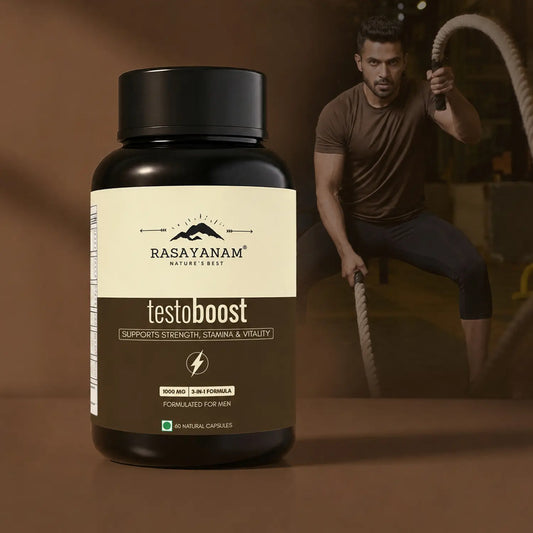
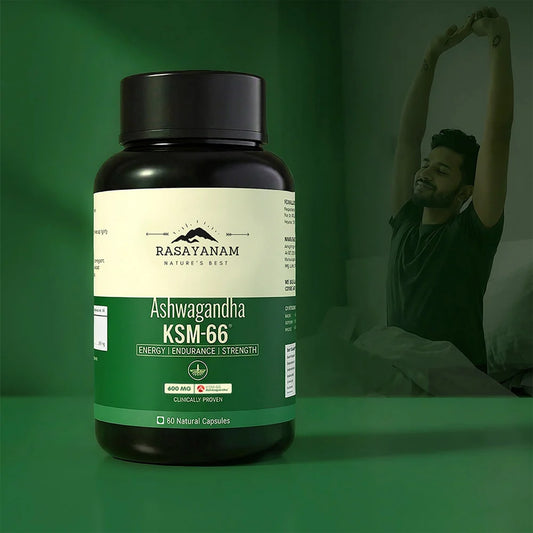
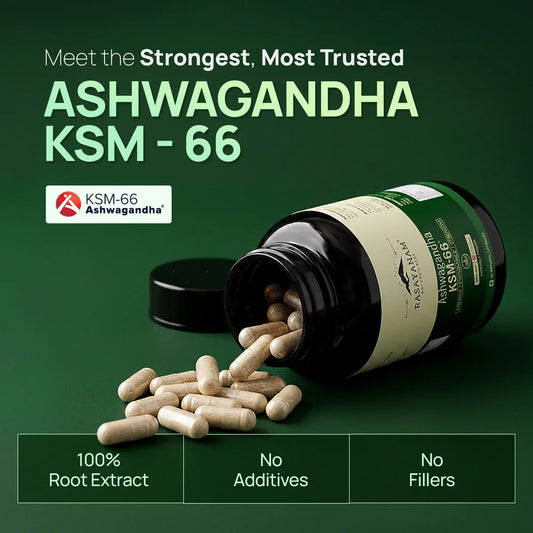
This is also the thinking behind how Rasayanam approaches its formulations.
Rather than treating “imported” as a shortcut to credibility, the focus is on ingredient selection, clearly defined formulations, quality testing and science-backed nutrition. Where appropriate, Rasayanam also incorporates plant-based and natural ingredients into its products.
For consumers, that makes the bigger question less about “Is this imported?” and more about “Can I understand and trust what I'm taking?”
You can explore Rasayanam's range and approach at Rasayanam.
The 30-Second Supplement Check
Before adding a supplement to your routine, pause at the label and check:
Ingredient → Form → Amount → Evidence → Testing → Manufacturing → Transparency
And if you see 100% RDA, remember what it actually tells you.
The 100% RDA meaning can help you understand the amount of a nutrient in relation to a recommended intake. It does not, by itself, prove that the entire supplement is high quality.
The Bottom Line
An imported ingredient can be excellent. A locally sourced ingredient can be excellent too.
Origin is one piece of the puzzle, not the whole picture.
When deciding what to look for in supplements, pay closer attention to the things you can actually verify: ingredient form, quantity, evidence, testing, manufacturing and transparency.
Because when it comes to supplement quality, a product shouldn't need a foreign address to earn your trust.
Frequently Asked Questions:
1. Why do some supplements use patented ingredients?
A patented ingredient may involve a specific formulation, extraction process, delivery system or manufacturing method. However, the presence of a patent alone shouldn't be treated as proof of overall supplement quality.
2. What does third-party testing tell you about a supplement?
Depending on what is tested, it can provide additional information about aspects such as identity, purity, potency or contaminants. However, it is still worth understanding what was tested, by whom and against which specifications rather than treating “third-party tested” as a blanket guarantee.
3. Is 100% RDA enough when choosing a multivitamin?
Not by itself. Understanding the 100% RDA meaning can help you compare nutrient amounts, but it doesn't tell you everything about the formulation. Check the nutrient forms, ingredient combinations, quantities and quality standards as well.
4. Does the country of origin affect supplement quality?
It can be relevant, but it is not enough to judge supplement quality on its own. Manufacturing practices, ingredient specifications, testing and storage conditions can matter just as much.
5. Is a long ingredient list a sign of a better supplement?
Not automatically. More ingredients can sometimes serve a purpose, but a longer list doesn't necessarily mean a better formulation. What to look for in supplements is whether each ingredient has a clear purpose and whether the overall formulation makes sense.
Disclaimer: This content is for general informational purposes only and is not a substitute for medical advice. Consult a healthcare professional before starting any supplement.


