
















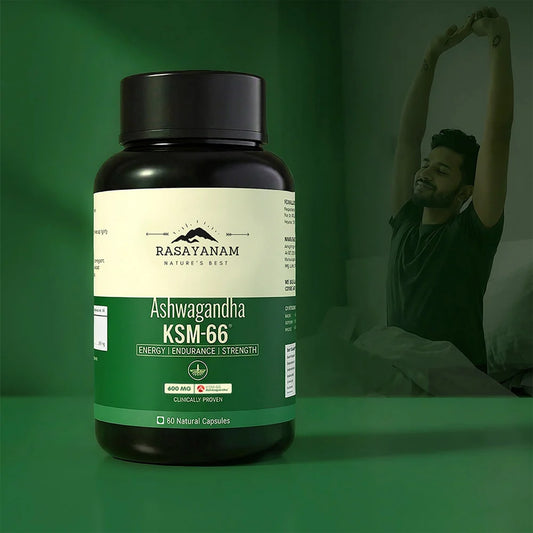














Magnesium for Sleep: The Natural Fix You’re Missing

Another sleepless night? You're not alone.
It’s 2:30 a.m. You've tried a few hacks, such as counting sheep, turning off screens, and using the sleep tea solution suggested by a friend, but your mind is still active, and your sleeping time is reduced. For many Indians having to face long work hours, high stress, and urban chaos, sleep is no longer a top priority but rather an unnecessary thing.
But what if the issue isn't just stress or screen time? What if you're missing something essential, like magnesium?
The Hidden Deficiency That Could Be Keeping You Awake
While we’re quick to blame insomnia on our fast-paced lifestyles, what often goes unnoticed is how our dietary deficiencies can wreak havoc on sleep quality. And magnesium deficiency is one of the most overlooked culprits.
Studies show that nearly 70-80% of Indian adults don’t get enough magnesium from their daily diet. This critical mineral supports over 300 bodily functions, and is one of the most important. Helping you sleep better.
Whether it’s difficulty falling asleep, frequent waking, or waking up feeling unrefreshed, low magnesium for sleep could be playing a major role.
Why Eating Healthy Still Might Not Be Enough
You may be eating all the right foods - leafy greens, whole grains, nuts, and seeds, yet still struggling with poor sleep, muscle cramps, or low energy. The problem isn’t always in what you eat, but in how much magnesium your body can actually absorb. Factors like soil depletion, age, digestive health.
Modern farming has stripped the soil of minerals, and everyday things like stress, caffeine, and even workouts can drain your magnesium levels. Plus, not all the magnesium you eat actually gets used. Some forms just pass right through. That’s why even with a good diet, a little extra support can make a big difference. The key isn’t just getting magnesium, but getting it in a form your body can truly absorb and benefit from especially if you’re turning to magnesium for sleep.
So, How Exactly Does Magnesium Help You Sleep?
Let’s break it down simply and clearly.
-
Magnesium calms your nervous system: It regulates neurotransmitters that send signals to the brain and body, helping your system shift from fight-or-flight to rest-and-digest.
-
It boosts melatonin production: That’s the natural hormone your body uses to trigger sleep. Without enough magnesium, melatonin levels stay low.
-
It reduces cortisol (your stress hormone): If you are tossing and turning due to anxiety or racing thoughts, magnesium helps dial down that internal noise.
-
It relaxes your muscles: Ever feel too “tense” to sleep? Magnesium gently eases your muscles and helps you physically let go.
No wonder experts are now recommending magnesium for insomnia before trying stronger interventions. It’s simple, natural, and works with your body, not against it.
Real People, Real Changes
Let’s talk facts. In a study published in the National Institutes of Health, participants with poor sleep were given magnesium supplements over eight weeks. The result? Significant improvement in sleep time, sleep efficiency, and melatonin levels, without any grogginess the next day.
Another study found from Healthline that those with magnesium deficiencies were more likely to suffer from anxiety and irregular sleep patterns, symptoms that improved once magnesium intake was corrected.
So yes, while magnesium isn’t a magic bullet, the science behind using magnesium for sleep is both real and promising.
But How Much Magnesium Is Enough for Sleep?
Here’s the question everyone asks: What is the ideal magnesium dosage for sleep?
While individual needs vary, here’s a general guide:
|
Age Group |
Recommended Daily Magnesium Intake |
|
Adult Women |
310–320 mg |
|
Adult Men |
400–420 mg |
|
Pregnant Women |
350–360 mg |
For better sleep, many experts recommend a slightly higher intake at night, either through diet or plant-based magnesium supplements.
Look for forms like magnesium glycinate or magnesium citrate; these are gentle on the stomach and easily absorbed by the body.
Rasayanam Comes In, Naturally
At this point, if you’re wondering where to start, take a look at what Rasayanam Magnesium offers. It’s sourced from Balchem, USA and made using Albion® TRAACS® technology, a patented form that ensures superior absorption and bioavailability. Unlike generic supplements, it’s crafted to deliver magnesium your body can actually recognize and use, making it a reliable option for those looking to improve sleep, reduce stress, and support overall recovery.
Rasayanam products do not just pursue trends; They lie in functionality, purity and belief that natural remedies begin with stability.
When Should You Take Magnesium for Sleep?
Evening is usually best.
To improve your sleep quality, you can take your magnesium 30 - 60 minutes before you go to bed, and don't forget to have a light snack or drink a glass of warm water. If you do this every day, your body will learn this routine quickly and make it easier for you to fall asleep. As a result, after 1 - 2 weeks, the majority of users report a more blissful and deeper sleep.
Being consistent is as important as it is in other healthy activities.
Still Wondering if It’ll Work for You?
Here are a few signs you might be low on magnesium:
-
You wake up frequently at night
-
You struggle to “switch off” mentally
-
Your muscles twitch or cramp during rest
-
You feel tired despite being in bed for hours
-
You rely too much on caffeine to stay alert
If these sound familiar, adding magnesium for insomnia to your nighttime routine could be a game-changer.
Magnesium’s Role Beyond Sleep
What’s fascinating about magnesium is that its impact goes beyond just sleep. If you find yourself dealing with daily fatigue, irritability, or even mild depression, low magnesium could be influencing your mood and energy levels too. Since it is deeply involved in muscle function, energy production, and brain health, using magnesium for sleep might also lead to better overall mental clarity and daytime performance. Many people report fewer afternoon crashes and a more stable mood after consistent magnesium intake.
Final Thoughts: Sleep Shouldn’t Be a Struggle
Poor sleep is something we often associate with “adulting” or a side effect of modern life, but it need not be so. At times the answer is to go back to the basics and give your body what it needs silently.
Magnesium is not a wonder drug, but it is, for a lot of people, the key that makes the difference between agitation and a good night's sleep.
If you're going through one of your 'I am tired of being tired' phases, it's high time to venture into a different path, such as Rasayanam Magnesium, a natural and quick solution. The first right step indeed can be the first episode of a good night's sleep in all these days.
Frequently Asked Questions:
1. Can I take a magnesium supplement every night?
Yes! In fact, for best results, it should be taken consistently. Magnesium is a mineral your body needs daily, especially if you're using magnesium for insomnia or relaxation. Just ensure you’re sticking to the right dosage.
2. What’s the best time to take magnesium for sleep?
The ideal time is 30 - 60 minutes before bed. This gives your body enough time to start absorbing it and gradually ease into a relaxed state. Pairing it with a bedtime routine (like reading or warm water) can amplify the calming effect.
3. What if I am already taking a multivitamin? Do I still need magnesium?
Most multivitamins contain only small amounts of magnesium, not enough to meet your full daily needs for sleep support. Check the label. If it's under 100 mg, you might benefit from a dedicated magnesium dosage for sleep like what's offered by Rasayanam.
4. Which type of magnesium is best for sleep?
Magnesium glycinate is considered one of the best forms for sleep because it is gentle on the stomach, well-absorbed, and specifically supports relaxation. Rasayanam Magnesium uses this exact form, making it a reliable choice for anyone looking to improve sleep naturally.
5. What’s the difference between melatonin and magnesium for sleep?
Melatonin is a hormone that signals your body it's time to sleep, while magnesium helps your body produce melatonin naturally. Plus, magnesium also helps relax muscles and reduce anxiety, things melatonin doesn’t do. For long-term, daily use, many prefer magnesium because it's natural and non-habit forming.
6. What should I eat for magnesium, and do I still need a supplement?
Foods like spinach, almonds, seeds, and whole grains are rich in magnesium, but your body doesn’t always absorb it well from food alone. That’s where a gentle, highly absorbable magnesium for sleep supplement can make a real difference, helping you relax, recover, and sleep deeply.
Disclaimer: This content is for informational purposes only and is not intended to substitute professional medical advice, diagnosis, or treatment. This product is not intended to diagnose, treat, cure, or prevent any disease. Please consult a healthcare professional before use, especially if you have a medical condition or are on medication.


