



























Vitality Simplified: How to Boost Energy Metabolism and Improve Energy Levels

Why is it that two people can eat the same meal and sleep the same hours, yet one feels energized while the other drags through the day? Answering this question doesn't just involve calories and sleep; the major determining factor is the level of the body's efficiency in converting food into energy. This phenomenon, called energy metabolism, is the same as the engine in your car: if it is properly maintained, you run smoothly; if it is slow, every move feels heavier than usual.
In India, where hectic work schedules, irregular eating habits, and nutrient deficiencies are prevalent, a large number of people are unaware of their "low-efficiency engines" condition. This is the reason why learning ways to boost energy metabolism, getting the right vitamins for the vitality of the body, and knowing the ways of natural energy improvement can be life-changing in someone's daily routine.
The Science of Energy: How Metabolism Actually Works
At its core, energy metabolism is how your body converts what you eat and drink into usable energy (ATP) and powers your muscles, brain, and organs. The process involves:
1. Digestion & absorption of macronutrients (carbs, fats, proteins)
2. Transport of glucose, fatty acids, and amino acids to cells
3. Cellular metabolism via mitochondria (glycolysis, Krebs cycle, oxidative phosphorylation)
4. Energy demand regulation: your body adjusts “burn rate” depending on activity, temperature, and hormones.
In simpler terms: food → building blocks → fuel → useful work (physical + mental).
Now, you might ask: if I eat enough, why do I still feel low in energy? Because “eating enough” is one thing, but metabolic efficiency, nutrient sufficiency, mitochondrial health, hormonal balance, and inflammation all influence how much energy you effectively generate.
Why Energy Slumps Happen
Several common factors can blunt your metabolism or drain vitality:
-
Micronutrient gaps or deficiencies (iron, B vitamins, magnesium, etc.)
-
Chronic stress / poor sleep / high cortisol
-
Poor mitochondrial function / oxidative stress
-
Low physical activity (especially strength or interval training)
-
Hormonal changes (thyroid, insulin resistance)
-
Inflammation or underlying metabolic issues
When any of these factors interfere, your body may struggle to boost energy metabolism optimally.
Vitamins & Nutrients That Support Vitality
When people search for “best vitamins for vitality,” they often expect a magic pill. The reality is vitamins don’t create energy themselves, but they act as essential cofactors and enablers in metabolic pathways.
Also Read: How to increase Vitamin B12 fast
Here are a few well-supported ones:
-
B-vitamin complex (especially B1, B2, B3, B6, and B12): These are critical in converting carbs, fats, and proteins into usable energy (coenzymes in the Krebs cycle and electron transport chain). A study showed that 28 days of B complex supplementation improved exercise endurance and reduced fatigue-related metabolites. IJMS
-
Iron/ferritin: Low iron means less hemoglobin to carry oxygen, which forces your body to work harder just to do basic tasks.
-
Magnesium: Key for ATP production, muscle relaxation, and nerve function.
-
Vitamin D: observational data suggest people with low vitamin D may have lower resting energy metabolism, though causation is not fully confirmed. Frontiers+1
-
Antioxidants and supporting nutrients (e.g., vitamin C, coenzyme Q10, certain minerals): They help protect mitochondria from oxidative damage and support efficient energy flow.
A 2020 study by BMC also found that multivitamin/mineral (MVM) supplementation had acute effects on metabolism and subjective tiredness even in healthy adults, indicating that a metabolic boost is possible when micronutrient reserves are topped up.
Another newer analysis of multivitamin complexes demonstrated enhancements in metabolic markers (like linoleoylcarnitine) and reductions in oxidative stress markers.
At the same time, it’s worth noting: in people who already have sufficient levels, extra B12 (for example) doesn’t reliably boost energy (Source: National Institute of Health).
So the goal is not “more is better,” but “optimum, balanced, and correcting deficiencies.”
How to Boost Energy Metabolism: A Step-by-Step Plan
Here’s a friendly “how-to” plan you can try. Always consult your doctor before starting new supplements.
Step 1: Baseline check
-
Get basic labs: hemoglobin/iron, vitamin B12, vitamin D, thyroid profile, magnesium, and possibly a metabolic panel.
-
Identify any serious deficiencies before supplementation.
Step 2: Diet + meal timing
-
Focus on whole, varied, plant-based protein sources.
-
Include complex carbs, healthy fats, and lean plant/natural protein.
-
Eat protein and healthy fat with each meal to regulate blood sugar and avoid crashes.
-
Try small “metabolic boosters”: green tea and gentle spices (turmeric, black pepper, and cinnamon) to lightly stimulate thermogenesis.
Step 3: Movement & exercise
-
Add strength training (resistance) 2 - 3 times a week to build lean muscle, which increases base metabolic rate.
-
Include short bursts of high-intensity intervals (if health allows); they boost metabolism.
-
Even non-exercise movement (standing breaks, walking) matters.
Step 4: Sleep, recovery & stress management
-
Aim for 7 - 8 hours of good quality sleep.
-
Manage chronic stress (meditation, breathing, nature walk).
-
Because high cortisol impairs mitochondrial efficiency and drains B-vitamin reserves.
Step 5: Targeted supplement support (when needed)
If your lab results suggest you’re low in certain nutrients, you can add targeted support:
-
A clean, natural multivitamin formulation can help fill in micronutrient gaps and boost energy metabolism when your body is depleted.
-
If your B12 is low or borderline, a plant-based B12 supplement can help normalize levels (especially for those following plant-forward diets).
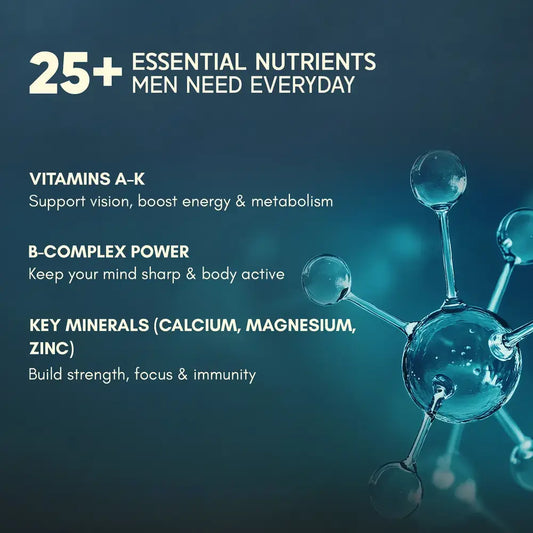
Here’s a subtle example: a natural multivitamin created for men might include a well-balanced B complex, iron, magnesium, and antioxidants. Someone in India exploring that can explore rasayanam (e.g., their multivitamin product line) or a dedicated vitamin B12 option.
Disclaimer: These supplement ideas are for general informational purposes. Before taking any, consult your healthcare professional. Dosage, interactions, and personal health status vary.
Step 6: Monitor & adjust
-
Track your energy levels, mood, performance, heart rate, and lab values every 2–3 months.
-
Adjust your diet, movement, or supplement intake accordingly.
-
Avoid chronic overdosing; more is not always better.
A Real Study That Makes the Point
One well-cited randomized trial in Nutrition & Metabolism found that even a single dose of multivitamin/mineral (MVM) might modulate energy metabolism and reduce subjective tiredness in healthy adults. These effects persisted with 28 days of continued intake.
That means when your body is “caught short” in micronutrients, a properly balanced supplement can acutely help shift metabolic gears. But this is not a signal that massive doses will fuel you like a rocket indefinitely; it's a reminder that adequacy matters.
Another human trial (Research Gate) using a B-complex supplement (for 28 days) showed improved endurance, reduced lactate and ammonia build-up, and less fatigue in non-athletes.
These studies support the idea that boosting energy metabolism is feasible (especially when micronutrient status is compromised), but not by overshooting into mega doses.
Where Rasayanam Could Fit
If you’re someone who leans toward natural formulations and wants to explore a trustworthy brand, Rasayanam is an option to keep in mind. Their product offerings include:
-
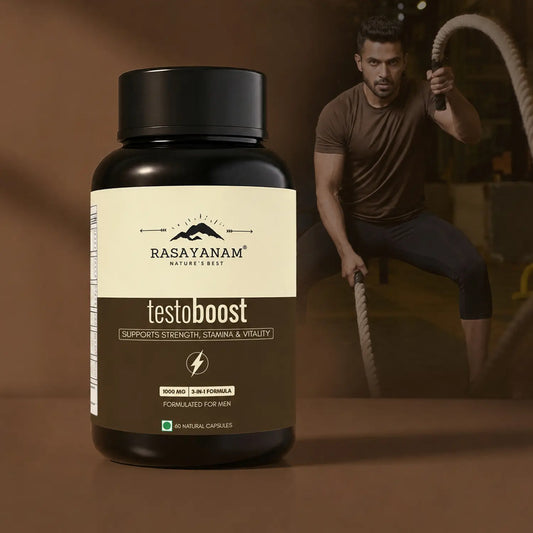
A multivitamin for men designed to support daily micronutrient needs
-
A vitamin B12 supplement for those needing targeted support
Their wider “shop” collection also has other natural wellness formulations.
Think of these as examples, not prescriptions. What’s important is selecting supplements with good transparency, ingredient quality, and third-party testing.
Putting It All Together: What to Expect
When you follow the plan above, improve your diet, move more, and address deficiencies wisely, you may notice:
-
Gradual lift in baseline energy
-
Fewer afternoon slumps
-
Better recovery post-workout
-
Sharper focus and mood
-
Improved lab markers (e.g., B12, ferritin, magnesium)
But don’t expect overnight miracles. Energy metabolism is complex, multi-layered, and built through slow, consistent habits.
Final word: Your energy isn’t “broken” permanently, but modern diets, stress, and micronutrient gaps can dull the system. With consistent lifestyle improvements and smart, targeted nutrient support, you can help your body recalibrate, restore vitality, boost energy metabolism and leave the 4 pm slump behind.
Frequently Asked Questions:
1. Do women and men need different vitamins for vitality?
Yes. While both need B vitamins and magnesium, women often need more iron (especially pre-menopause), while men may focus more on vitamin D and zinc. That’s why gender-specific formulations, like a multivitamin for men, exist.
2. How to improve energy levels if I sit at a desk all day?
Long hours of sitting slow metabolism. A quick fix: stand up every hour, stretch, walk a little, and add some resistance training to your routine. Pair this with foods rich in B vitamins and magnesium to boost energy metabolism naturally.
3. Why do I wake up tired even after sleeping 7 - 8 hours?
Poor sleep quality, low vitamin D, or lack of B12 can be reasons. Rest isn’t just about hours slept but also about how well your body repairs itself overnight. Supporting this with the best vitamins for vitality helps you wake up refreshed.
4. Do gadgets and late-night screen time affect metabolism?
Yes. Blue light disrupts melatonin, which in turn affects recovery, hormone balance, and energy metabolism. Poor recovery means you’ll need more effort just to improve energy levels the next day.
5. Can I feel a difference by just adding vitamin B12?
If you’re deficient, absolutely, B12 plays a direct role in red blood cell formation and energy production. Supplementing with vitamin B12 can quickly restore balance, but if you’re not deficient, it won’t act like a shortcut.
6. Can skipping breakfast affect my energy metabolism?
Yes. Skipping meals forces your body to slow down metabolism and conserve energy. A protein-rich breakfast is one of the simplest ways to boost energy metabolism and avoid mid-morning fatigue.
Disclaimer: This content is for informational purposes only and is not a substitute for professional medical advice. Always consult a qualified healthcare provider before starting any new supplement, exercise routine, or major lifestyle change. Individual results may vary.


