






Neurohacking: How omega 3 Supports Brain Function in Vegetarians

By mid-morning, the mind starts to slow down.
The tea/coffee has already kicked in, notifications are piling up, and yet thoughts feel scattered. Simple decisions take longer. Focus drifts. By evening, even small tasks feel mentally heavy. Today, this quiet mental fatigue has become a daily backdrop rather than an alarm bell for many Indians like students, professionals, founders etc.
It is common to blame tiredness or low concentration on stress, excessively long hours in front of screens, and insomnia. Apart from that, there is, however, a less obvious factor: the brain is not receiving the proper nourishment to meet the ever-increasing demands of the modern world.
That is the point where neurohacking comes into play, not as a trendy word, but simply as a method of catering to brain health through scientifically recognized components.
Neurohacking is not about crazy schedules or biohacker gadgets. Basically, neurohacking means figuring out ways to help your brain perform better day by day by making very few small and smart changes. And one of the most overlooked, and thus underrated, nutrients in this area, particularly for vegetarians, is omega 3.
In this blog, we’ll break down:
-
What neurohacking actually means (without the hype)
-
Why omega 3 is critical for brain structure and performance
-
Why vegetarian diets often fall short
-
How omega 3 supports focus, mood, and long-term cognitive health
-
And how plant-based omega 3 fits into modern brain optimization, naturally
Neurohacking 101: Optimizing Your Brain Without Extremes
Let’s simplify neurohacking.
Neurohacking = small, science-backed interventions that improve brain function over time.
This includes:
-
Sleep optimization
-
Stress regulation
-
Mindful screen use
-
And most importantly, brain-targeted nutrition
Among all nutrients studied for brain health, omega 3 fatty acids consistently rank at the top for neurohacking, especially when it comes to:
-
Omega 3 for brain function
-
Omega 3 for cognitive performance
-
Omega 3 for mental health
Yet, many vegetarians unknowingly miss out.
Why Omega 3 Matters So Much For Your Brain
Your brain is nearly 60% fat. A large portion of that fat is DHA (docosahexaenoic acid), a key omega 3 fatty acid.
DHA plays a structural role in brain cells. It helps neurons communicate efficiently, supports memory formation, and maintains mental clarity.
EPA (eicosapentaenoic acid), another omega 3, supports:
-
Mood balance
-
Reduced inflammation
-
Stress response
Together, DHA and EPA form the backbone of omega 3 for brain function and are foundational tools in neurohacking.
What Science Says
A large systematic study published in the National Library of Medicine found that omega 3 supplementation was associated with improved cognitive performance and mood regulation, especially in individuals with low baseline intake.
This makes omega 3 not just a “nice-to-have,” but one of the most researched supplements for brain performance.
The Vegetarian Gap: Where Most Indian Diets Fall Short
Here’s the challenge.
Traditional omega 3 sources like fatty fish aren’t part of vegetarian diets. Plant foods like flaxseeds and walnuts provide ALA, a precursor to omega 3, but the body converts only 2–10% of ALA into DHA and EPA.
For vegetarians, this creates a silent gap.
Over time, low DHA and EPA levels may show up as:
-
Poor focus and mental fatigue
-
Slower information processing
-
Mood swings or low motivation
-
Brain fog despite adequate sleep
This is why natural nootropics for vegetarians need to go beyond basic herbs and include bioavailable omega 3 sources.
Neurohacking Your Brain with Omega 3: How It Actually Helps
Let's dissect the role of omega 3 in a practical neurohacking approach.
1. Enhances brain functioning and focus
DHA fortifies the neuronal membranes, which facilitates better signaling between neurons, thereby strengthening the cognition process. This is a direct gain when one consumes omega 3, as it enhances cognitive functioning, concentration, learning, and mental stamina.
2. Enhances emotional well-being and mental health
EPA helps to reduce inflammation that is associated with mood disorders. Studies have shown that omega 3 can help people’s mental health, especially those who are under chronic stress or are emotionally burnt out.
3. Gets rid of brain fog and refreshes the brain
A highly inflamed state and lack of certain nutrients in the brain can lead to sluggishness in brain cell activities. Omega 3 is among the supplements that help to bring back the proper balance; thus, it can be termed "everyday neurohacking."
4. Brain longevity
Consistently taking DHA can help maintain cognitive health for years to come, which is why omega 3 is not only a short-term brain boost but also a future-oriented neurohacking tactic.
Why Algae-Based Omega 3 Is A Reasonable Choice For Vegetarians
Here is a fact that a majority of people are not aware of:
Fish are not the ones that manufacture omega 3. They get it from algae.
That's the reason why algae-based omega 3 is among the cleanest and most reasonable options for vegetarians.
High-quality algae-sourced omega 3 offers:
-
Direct DHA and EPA (no poor conversion)
-
No fishy aftertaste or burps
-
No risk of mercury or heavy metals
-
Better stomach tolerance
This makes it ideal for anyone exploring supplements for brain performance without compromising dietary choices.
A Cleaner, Plant-Based Omega 3 Alternative One Should Know About
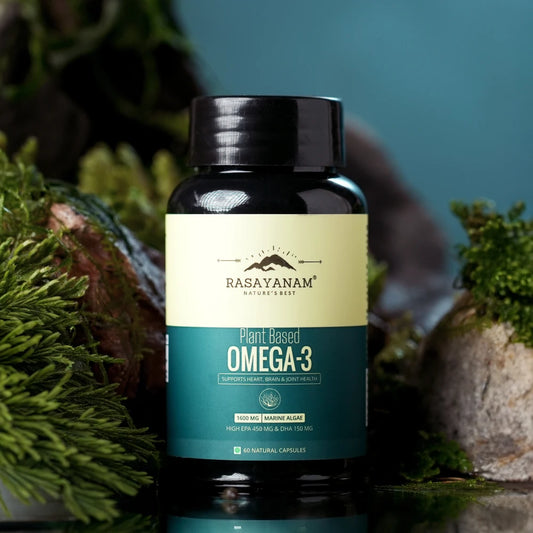
If you specifically want to support neurohacking with nutrition, Rasayanam’s Plant-based omega 3 is a very clear example showing the path of changes in the supplement industry nowadays.
It's derived from marine algae and provides:
-
450 mg EPA + 150 mg DHA in a balanced 3:1 ratio
-
Completely vegetarian, toxin-free formulation
-
No fishy burps or digestive discomfort
Since it’s from algae, it is very much feasible to be used as natural nootropics for vegetarians who want to stay brain-healthy without having fish oil as a part of their plant-based diet.
How To Include Omega 3 In Your Neurohacking Routine
Step 1: Prioritize consistency
Brain nutrition works gradually. Omega 3 isn’t a stimulant; it builds over weeks.
Step 2: Take it with meals
Omega 3 is fat-soluble. Pair it with meals containing healthy fats for better absorption.
Step 3: Combine with lifestyle neurohacks
Good sleep, regular exercise, and taking breaks from the screen are the kinds of things that help omega 3 to be more effective.
Disclaimer: Always consult a healthcare professional before starting any supplement, especially if you have a medical condition or are taking medication.
Final thought
Neurohacking can be simple and near to normal. Quite often, it can be just about supplying the brain with the nutrients it has been lacking all the time.
For vegetarian brains that are exposed to everyday stress, long working hours, and never-ending noise, omega 3 is not a passing fad but a necessity.
And foundations are exactly where smart neurohacking begins.
Frequently Asked Questions:
1. Is neurohacking safe, or is it just another internet trend?
Neurohacking often sounds extreme online, but in reality, safe neurohacking focuses on nutrition, sleep, stress management, and consistency, not shortcuts. Using nutrients like omega 3 to support omega 3 for brain function is one of the most researched and safest approaches.
2. Are flaxseeds and walnuts enough for omega 3 needs?
They’re healthy foods, but they provide ALA, not DHA or EPA. Because conversion is limited, vegetarians may still fall short of the omega 3 needed for cognitive performance.
3. Who benefits most from omega 3 neurohacking?
Students, working professionals, and anyone under mental stress can benefit. Omega 3 supports focus, memory, and mental stamina, key goals of practical neurohacking.
4. Can omega 3 help with focus issues linked to screen overuse?
Indirectly, yes. Omega 3 supports neuron membrane health and brain resilience, which may help the brain cope better with digital overload, an increasingly common neurohacking concern.
5. Why is algae-based omega 3 often recommended over fish oil now?
Algae-based omega 3 provides direct DHA and EPA without concerns about mercury, fishy burps, or sustainability. This makes it especially suitable for people seeking natural nootropics for vegetarians.
Disclaimer: This content is for informational purposes only and is not a substitute for medical advice. Please consult a healthcare professional before starting any supplement.


