






























If you sit for more than 8 hours a day, read this

Your chair probably isn't the problem.
The ergonomic chair, lumbar cushion, and adjustable desk can certainly help. But they can't fully protect you from something most of us do every day: sitting for long hours.
We simply function better and feel best when we are on the move. It's quite natural to feel aches and pains in our backs and necks from sitting and getting stiff joints.
You wake up, commute, sit through meetings, work at your desk, eat lunch while answering emails, commute back home, and unwind on the couch. Before you realise it, you've spent most of your day sitting.
The issue isn't sitting itself; it's the lack of movement. When sitting for long hours becomes a daily habit, muscles tighten, posture changes, circulation slows down, and certain parts of the body start carrying more stress than they should. A study published in the National Library of Medicine also found that prolonged occupational sitting is linked to increased neck, shoulder, and lower back discomfort among office workers.
Why does back pain from sitting happen?
Back discomfort caused by sitting typically evolves gradually.
When you're sitting for prolonged hours, especially in a bent-forward position, such as towards your computer screen, the muscles of your lower back are constantly under pressure. These supporting muscles of your spine remain in active mode without significant breaks and after some time become exhausted and stiff.
Sitting for a long time can also cause the hip flexor muscles to become very tight. Upon standing up, such tightly flexed muscles may cause postural changes and thus put more pressure on the lower back; this phenomenon explains why sitting-related back pain frequently appears much more intense after leaving the chair.
In parallel, your central or core musculature also becomes more inactive. To a certain extent, a lack of spinal support provided by the core will require your spine to function extra hard. It could also be one of the reasons why you keep developing the pain in the lower back due to long hours of sitting at the work desk, or anywhere else really, every single day.
Why neck pain from sitting is so common
If you've ever spent hours looking down at your laptop or leaning towards your monitor, you've probably experienced neck pain from sitting.
Your head weighs around 4 - 5 kg, and the farther it moves forward, the more strain your neck muscles experience. Rounded shoulders, poor posture, and hours spent on your phone after work can leave those muscles with very little time to recover.
Over time, this can lead to tight neck muscles, shoulder stiffness, headaches, reduced mobility, and persistent neck pain from sitting.
Signs your body needs more movement
If you're sitting for long hours, your body often gives you subtle warnings first.
-
Tightness in the lower back after a meeting
-
Tight shoulders by evening
-
Siff neck as a result of being seated most of the day
-
An uncomfortable sensation when getting out of the chair
-
Stretching many times each day
-
Posture worsening as the day goes on
These signals do not necessarily indicate something major going on, but they do mean that your body is crying out for more movement and exercise.
What actually helps?
You don't need to stand all day or buy expensive equipment. What matters most is moving more consistently.
1. Break up sitting time
Stand up every 30 - 60 minutes. Walk while taking calls, refill your water bottle, or stretch between meetings. Breaking up sitting for long hours is often more helpful than sitting all day and exercising only once in the evening.
2. Improve your setup
Keep your screen at eye level, support your back, keep both feet on the floor, and avoid leaning towards your laptop. Good posture isn't about sitting perfectly; it's about avoiding the same position for hours.
3. Get out of work
Over time, physical activity like walking, yoga, swimming, strength training and mobility exercises can help with posture and reduce back pain from sitting. Consistency is far more important than intensity.
4. Stay hydrated
Hydration supports normal muscle function and gives you a simple reason to get up and move more often.
5. Back up your nutrition
Movement is essential, but vitamins also play a crucial role. Nutrients such as protein, magnesium, calcium, and vitamin D support everyday muscle and bone health.
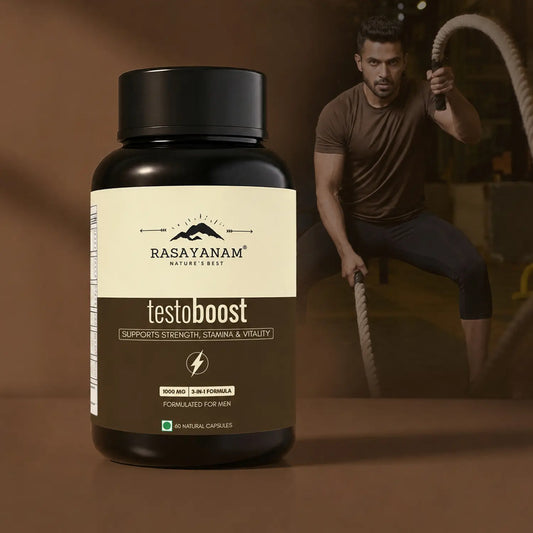
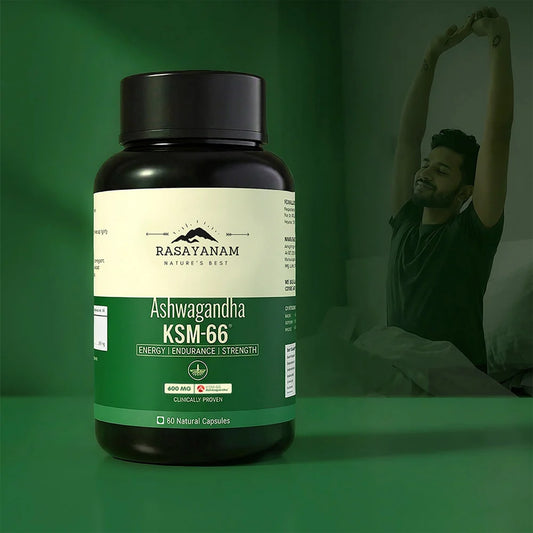
Since many people with tight schedules can't manage to eat adequately, some of them opt for transparent premium supplements, from companies like Rasayanam who completely disclose their ingredients and standards of quality-testing. Supplements should complement healthy behaviours, not replace movement or a balanced diet.
If you're looking to support your everyday nutrition, Rasayanam offers a range of plant-based wellness supplements that can fit naturally into an active lifestyle.
A simple routine if you're sitting for long hours
You don't need a complete lifestyle overhaul.
-
Stretch for five minutes before work.
-
Take a short walk in the morning.
-
Stand every 45 minutes during work.
-
Keep water nearby.
-
Stretch your shoulders between meetings.
-
Walk or exercise for 20 - 30 minutes in the evening.
-
Do gentle neck and hip stretches before bed.
Small habits repeated daily often work better than occasional intense efforts.
When should you seek medical advice?
While back pain from sitting and neck pain from sitting are commonly associated with posture and inactivity, seek advice from a healthcare professional if the pain is severe or chronic.
-
The pain lasts for several weeks.
-
The pain is extreme.
-
You feel numb or weak.
-
The pain travels down your hands or feet.
-
It interferes with daily activities.
The bottom line
Now, sitting for extended periods is almost a normal part of contemporary life, but one doesn't have to suffer for it to be uncomfortable.
Walk around.
Frequently stand up.
Make sure your body is strong.
Keep your eyes on your posture.
Provide your body with nourishment.
Perfect is not really what the body desires; it is sufficient movement that will help. Moreover, if you are already trying to develop healthier habits, you can consider clean, transparent food as a useful piece of the puzzle, but movement will always be the foundation.
Frequently Asked Questions:
1. Can sitting for long hours cause permanent back problems?
Sitting for long hours itself doesn't usually cause permanent damage; however, doing it every day with poor posture and very little movement can increase your risk of persistent back pain, muscle weakness and decreased mobility over time.
2. Can supplements help if I sit for long hours every day?
While supplements cannot undo the consequences of sitting for long hours, they could still help fill in nutritional gaps. Nutrients such as magnesium, vitamin D, calcium, and protein support regular muscle and bone fitness when combined with regular movement, exercise and a balanced diet.
3. Does walking for 30 minutes undo a whole day of sitting?
Walking is excellent for your health. Although, it may not totally erase the effects of sitting for long hours. The best approach is to combine daily exercise with frequent movement breaks throughout your workday.
4. How can I tell if my back pain is from sitting or something more serious?
Back pain from sitting generally improves with movement, exercise, or changing positions. If your pain is excessive, lasts several weeks, spreads to your legs, or is followed by numbness or weakness, it is important to seek medical advice
5. If sitting is the new smoking, should I be worried?
The term "sitting is the new smoking" refers to how excessive inactivity can affect long-term health; it doesn't mean sitting is as harmful as smoking. The takeaway is not to worry about sitting all the time but to stay away from sitting for long hours without regular movement.
Disclaimer: This article is for informational purposes only and is not a substitute for professional medical advice, diagnosis, or treatment.


