



























Frequent Muscle Cramps During Monsoon? Read This First

We prepare for almost everything the monsoon might throw at us: umbrellas, waterproof shoes, and medicines for seasonal infections due to change of seasons.
What we rarely prepare for are the unexpected aches.
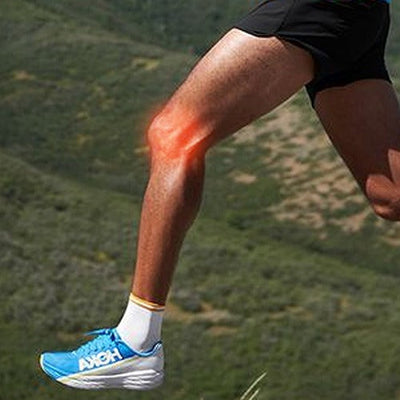
A calf that tenses up abruptly at midnight. Feet that get cramped after a short walk. Muscles that remain sore for a much longer time than usual.
If on rainy days you've observed more muscle cramps, then you are not imagining it. The monsoon season influences your hydration, your level of physical activity, and even your food intake, all of which constitute how your muscles function.
Now, we shall know what is behind and what message your body is sending you.
Reasons Behind Increase in Muscle Cramps During Monsoon
Even though rain cools down the environment, at the same time, rainwater also leads to a situation where muscle cramps become a common phenomenon.
You're losing more fluids than you think.
Humid weather makes you sweat even when you don't feel hot. Since you're less likely to feel thirsty, you may unknowingly drink less water.
This may result in an imbalance of electrolytes like magnesium, potassium and sodium, which are minerals that muscles require to contract and relax correctly.
You are less active
Rainy days usually mean skipping your walk, gym session or evening walk.
Remaining seated for extended periods can cause muscles to become stiff and decrease blood flow, raising the risk of muscle cramps, especially during the night.
Your diet changes too
Monsoon cravings usually involve pakoras, chai, instant noodles, or other comfort foods.
While satisfying, these foods don't always provide enough magnesium and other essential nutrients. In fact, studies suggest that up to 60% of people may not get enough magnesium from their diet, making deficiency more common than many realize.
The Missing Link Between Muscle Cramps and Magnesium
Most people associate muscle health with calcium only. However, magnesium also plays a vital role in maintaining muscle health.
Besides muscle contraction, nerve function, and energy production, magnesium is also involved in muscle relaxation. In fact, it is estimated that magnesium supports back-to-back biochemical reactions (clearly, a massive influence on the body), not just the three mentioned above.
You can imagine the situation like this:
-
Calcium is like the cue that activates muscles.
-
Magnesium is the one who makes them calm down.
That means the absence of magnesium in the body will result in the muscle being unable to turn off. To make matters worse, this will give rise to cramps, spasms, twitches, and sore muscles that last for several days.
Besides, you might be experiencing:
-
Muscle cramps at night
-
Muscle soreness after workout
-
Feeling lethargic or lacking energy
-
Sleeping difficulties or insomnia
-
Being quite stressful and mentally exhausted
Of course, experiencing some of these symptoms does not necessarily point to a magnesium deficit. However, when they come together, a conversation with your doctor would be well worth it.
What evidence is there?
The contribution of magnesium to muscle health is most likely a feature recognizable by everyone. Beyond any reasonable doubt, magnesium has been shown to be necessary for muscle function.
According to a paper published in PubMed, magnesium supplementation resulted in the dropping of leg cramp propagation in certain persons.
Interestingly, the role of magnesium in the treatment of muscle cramps is not pronounced in every individual. On the other hand, an individual who is deficient in magnesium can certainly expect an improvement in symptoms upon receiving sufficient amounts.
How Do You Manage Monsoon Muscle Cramps?
In case muscle cramps go on to become an issue during the wet season, you may find the following routine changes helpful:
1. Drink water throughout the day
Keep drinking before you even feel thirsty. High humidity can cause you to lose fluids and electrolytes without your knowledge, so routinely drink water and follow up with a provision of electrolytes if you've been sweating.
2. Stretch your muscles before sleeping
More often than not, cramps are the reason you wake up in the middle of the night. In such a case, you may try stretching your calf and hamstring muscles for a few minutes before going to bed, as it aids in relaxing muscle tension and reducing cramps.
3. Make your diet more magnesium friendly
Spinach, pumpkin seeds, almonds, beans, whole grains, and dark chocolate are just some of the foods that you can add to your diet in order to promote normal muscle function.
4. Note symptoms that recur.
If fatigue, lack of sleep, and muscle soreness that just won't go away are some of the symptoms that come with muscle cramps, do not put them aside. Get in touch with a doctor to get recommendations on magnesium intake and investigate the root of the problem.
When Diet Alone Isn't Enough
A balanced diet should always be your first choice. However, busy lifestyles, processed foods, digestive issues, or higher physical activity can make it difficult to meet your daily magnesium needs.
In such cases, your healthcare provider may recommend a magnesium supplement. Since not all forms are absorbed equally, magnesium bisglycinate is often preferred for its high bioavailability and gentle effect on the stomach.
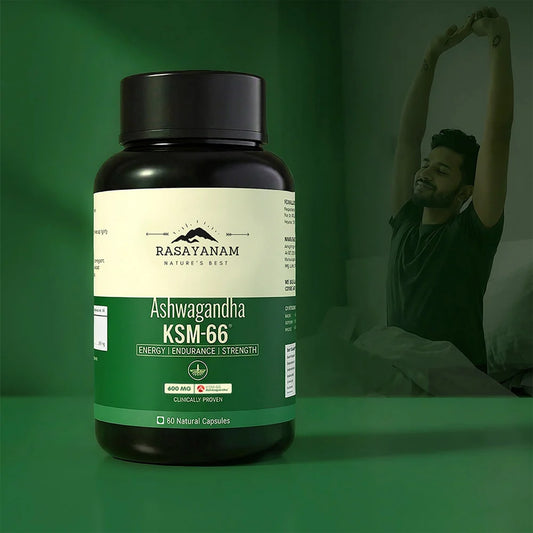
For example, plant-based options like Rasayanam's Magnesium Glycinate provide 440 mg of magnesium (100% RDA) using Albion® TRAACS® chelated magnesium from Balchem USA. Its highly absorbable form supports muscle relaxation, recovery, energy production, and restful sleep.
If you're looking for broader nutritional support, especially for women with busy lifestyles, multivitamin can also help fill everyday nutrient gaps.
The bottom line: When it comes to magnesium, absorption matters just as much as the dosage.
Frequently Asked Questions:
1. Are muscle cramps at night a sign of a nutrient deficiency?
Not always. Night-time muscle cramps can happen due to dehydration, prolonged sitting, or certain nutrient deficiencies, which include magnesium and should be evaluated if they occur frequently.
2. Can muscle cramps be an early sign of magnesium deficiency?
They can be one of the early signs, especially if they're accompanied by fatigue, poor sleep, or muscle twitching. However, muscle cramps can have several causes, so it's important to get the right magnesium suggestion from a healthcare physicist instead of self-diagnosing.
3. Which foods are naturally rich in magnesium?
Spinach, pumpkin seeds, almonds, cashews, beans, whole grains, and dark chocolate are all suitable herbal resources of magnesium that help promote healthy muscle function.
4. What is the best time to take magnesium for muscle cramps?
If your healthcare professional recommends magnesium, it's commonly taken after meals, with many people preferring the evening, as magnesium may also support relaxation and better sleep.
5. Why do muscle cramps happen even when I'm drinking enough water?
Hydration is only one part of the equation. Your muscles also rely on minerals like magnesium, potassium, and sodium to function properly. If these are out of balance, muscle cramps can still occur.
Disclaimer: This blog is for informational purposes only and should not be considered medical advice. Consult your healthcare provider before using any dietary supplement.


