



























Testosterone Supplements: Benefits, Side Effects & What to Choose

There comes a point when you start noticing small changes in your body and mind. You feel tired even after resting. Your workouts don’t give the same results. Fat starts accumulating, especially around the belly. Your motivation drops, and even your confidence doesn’t feel the same.
You might ignore it at first. Maybe it’s stress. Maybe it's work pressure. But when it continues for weeks or months, it starts affecting your daily life.
Here’s something important you should know:
Studies suggest that testosterone levels in men begin to decline by about 1% every year after the age of 30–40 . Combine this with modern lifestyle factors, stress, poor sleep, junk food, and sedentary habits—and it’s no surprise that more men today are searching for solutions.
That’s where Testosterone Supplements come into the picture.
But the real question is—do they actually work, and are they safe?
In this detailed article, we will explore everything you need to know about supplements to increase testosterone, including their benefits, side effects, scientific reality, and how to choose the right one.
What Are Testosterone Supplements?
Testosterone Supplements are products designed to support your body’s natural testosterone production. Unlike medical testosterone therapy, they do not contain synthetic testosterone hormone.
Instead, they are made using:
-
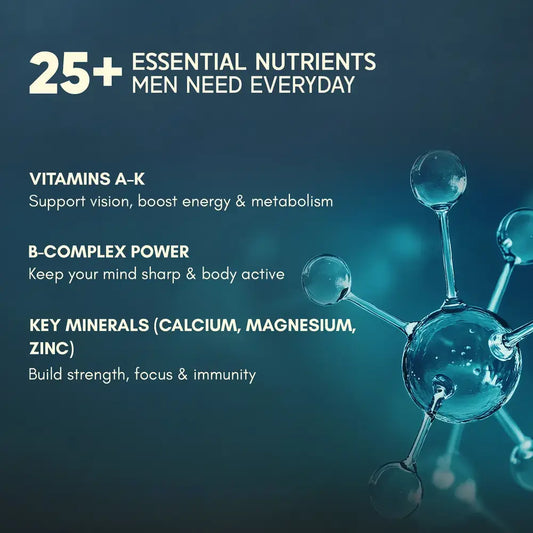
Vitamins (like Vitamin D and B-complex)
-
Minerals (such as Zinc and Magnesium)
-
Herbal extracts (like Ashwagandha and Fenugreek)
-
Amino acids (like D-Aspartic Acid)
These ingredients aim to improve the conditions required for your body to produce testosterone efficiently.
In simple terms, they don’t “inject” testosterone into your body — they try to help your body produce it better.
Why Testosterone Is Crucial for Your Body
Testosterone is often associated only with masculinity, but its role is much broader and more important.
Key functions of testosterone:
-
Builds and maintains muscle mass
-
Regulates fat distribution
-
Supports bone density
-
Controls mood and energy levels
-
Enhances performance
-
Helps in red blood cell production
What happens when testosterone is low?
Low testosterone (also known as hypogonadism) can lead to:
-
Chronic fatigue
-
Increased body fat (especially abdominal fat)
-
Reduced muscle strength
-
Mood swings or depression
-
Low confidence and motivation
-
Reduced desire
Studies indicate that nearly 40% of men over the age of 45 may have low testosterone levels to some extent.
Do Testosterone Supplements Really Work?
This is where expectations need to be realistic.
The scientific reality:
-
Most supplements to increase testosterone have limited clinical evidence
-
Their effectiveness depends on your body’s current condition
When they may work:
-
If you have deficiencies (e.g., low Vitamin D or Zinc)
-
If your lifestyle is moderately healthy but needs support
When they may not work:
-
If your testosterone levels are already normal
-
If you expect rapid or dramatic results
For example, correcting a Vitamin D deficiency can improve testosterone levels, but taking excess Vitamin D when you are already sufficient will not give extra benefits.
In short:
They are supportive, not transformative.
Benefits of Testosterone Supplements
When used correctly, Testosterone Supplements can provide certain benefits, especially if your body needs them.
1. Improved Energy Levels
Many users experience reduced fatigue and better daily energy.
-
Helps you stay active throughout the day
-
Especially beneficial if low testosterone is the cause
2. Better Muscle Performance
Testosterone supports muscle growth and recovery.
-
Slight improvement in strength
-
Better workout recovery
However, studies show that supplements alone do not significantly increase muscle mass without proper training.
3. Enhanced Reproductive Health
Testosterone plays a direct role in reproductive function
-
Improved drive
-
Better performance (in some cases)
4. Enhanced Mood and Mental Clarity
Balanced hormones can positively affect mental health.
-
Reduced irritability
-
Improved focus and motivation
5. Support for Bone Health
Testosterone contributes to bone density.
-
Helps reduce the long-term risk of fractures
Side Effects of Testosterone Supplements
Despite being marketed as “natural,” these supplements can have side effects.
1. Acne and Skin Issues
Hormonal changes can lead to:
-
Oily skin
-
Breakouts
2. Sleep Disturbances
Some users report:
-
Difficulty sleeping
-
Irregular sleep cycles
3. Hormonal Imbalance
Taking high doses can disrupt your body’s natural hormone balance.
4. Fertility Concerns
Excessive use may:
-
Reduce sperm production
-
Affect reproductive health
5. Cardiovascular Risks
Some studies suggest a potential link between testosterone-related products and:
-
Increased blood pressure
-
Heart-related issues (in certain individuals)
6. Poor Supplement Quality
One of the biggest concerns is product quality.
-
Supplements are not strictly regulated
-
Studies suggest up to 30% of supplements may have inaccurate labeling
This makes choosing a trusted brand very important.
Common Ingredients in Testosterone Supplements
Understanding ingredients helps you make informed decisions.
Ashwagandha
-
Reduces stress (lowers cortisol)
-
May improve testosterone slightly
Zinc
-
Essential for testosterone production
-
Works mainly in deficient individuals
Vitamin D
-
Strong correlation with testosterone levels
-
Around 50–70% of people may have low Vitamin D levels
Magnesium
-
Supports hormone balance
-
Improves sleep quality
D-Aspartic Acid
-
May temporarily boost testosterone
-
Effects are short-term
Natural Ways vs Supplements: What Is More Effective?
Before relying on supplements to increase testosterone, it’s important to focus on natural methods.
Proven natural ways:
-
Strength training (boosts testosterone by up to 20–30%)
-
Getting 7–8 hours of sleep
-
Eating a balanced diet with healthy fats
-
Managing stress
-
Maintaining a healthy weight
In many cases, lifestyle changes provide better and longer-lasting results than supplements.
How to Choose the Right Testosterone Supplement
Choosing the right product is crucial.
1. Look for Proven Ingredients
Choose supplements with:
-
Zinc
-
Vitamin D
-
Ashwagandha
2. Avoid Marketing Hype
Stay away from products claiming:
-
Instant results
-
Extreme muscle gain
3. Check for Third-Party Testing
Look for:
-
Lab-tested products
-
Certified brands
4. Read Real Reviews
Focus on genuine user experiences.
5. Get a Blood Test First
This is the most important step.
It helps you understand whether you actually need supplementation.
Who Should Consider Testosterone Supplements?
Suitable for:
-
Men with low testosterone levels
-
Individuals with nutritional deficiencies
-
People experiencing fatigue or reduced strength
Not suitable for:
-
Individuals with normal testosterone levels
-
Those expecting quick or dramatic results
-
Teenagers or young adults without medical advice
Final Thoughts
Testosterone Supplements can be helpful, but only in the right context. They are not miracle solutions that can instantly transform your body or energy levels.
The foundation of healthy testosterone levels lies in:
-
Proper sleep
-
Regular exercise
-
Balanced nutrition
-
Stress management
Once these basics are in place, supplements can act as an additional support system.
FAQs
1. Do testosterone supplements really work?
They can help if you have deficiencies, but results are usually mild and gradual.
2. How long do they take to show results?
Typically 4–8 weeks, depending on the individual.
3. Are testosterone supplements safe?
Generally safe when taken properly, but misuse can lead to side effects.
4. Can they increase muscle quickly?
No. Muscle growth mainly depends on exercise and diet.
5. Should I take them without testing?
No. A blood test is recommended before starting.
6. What is the best natural way to boost testosterone?
-
Strength training
-
Proper sleep
-
Healthy diet
-
Stress control
7. Are supplements better than medical treatment?
No. Medical testosterone therapy is more effective but should only be taken under doctor supervision.


