


















What Are Ginsenosides? A Guide to Ginseng Extracts
 7 mins read

Not everything that makes a plant intriguing can be perceived by our senses or discovered through a name. The deep story of a plant is sometimes told by the chemical compounds hiding inside.
Panax ginseng, for example, has its root studied not only to identify potential effects such as energy, mental performance and general health, but researchers are also interested in a group of compounds called ginsenosides.
But, what are ginsenosides?
These compounds differ in their structure, concentration and biological activity, making them an important part of understanding ginseng quality.
In short, let’s explore what are ginsenosides, and why is a supplement's ginseng extract percentage worth the attention?
What Are Ginsenosides?
Consider the ginsenosides as the main chemical constituents that make up the scientific interest for Panax ginseng.
Ginsenosides are naturally occurring plant constituents that belong to the group of steroidal saponins. Ginsenosides mainly occur in the plants of the Panax genus, including Asian ginseng (Panax ginseng).
More than 40 individual ginsenosides have been detected in Panax ginseng so far. They all differ in their chemical structures and bioactivities.
So, what are ginsenosides known for?
It seems that according to scientific studies, these compounds are involved in the biological processes related to stress reaction, inflammation, glucose metabolism and cell signalling. The possible influence of the ginsenosides on cognitive performance is under investigation.
However, not all ginsenosides have the same effects. Their actions vary depending on their structures, concentrations and extraction method.
Understanding the Different Types of Ginsenosides in Panax Ginseng
The ginsenosides of Panax ginseng can be roughly classified into two major groups.
1. Protopanaxadiol (PPD) group
This group comprises Rb1, Rb2, Rc, Rd and Rg3. These compounds have been studied for their possible antioxidant, metabolic and anti-inflammatory effects.
2. Protopanaxatriol (PPT) group
This group consists of Rg1, Re, Rg2 and Rh1. Their potential role in cognitive function, cellular protection and energy-related pathways has been investigated in studies.
Why is this difference important? Two ginseng extracts can have the same percentage of total ginsenosides but different ratios of individual compounds.
This means that to understand ginsenosides you need to look beyond percentages.
Why Does Ginseng Extract Percentage Matter?
Imagine comparing two supplements:
-
Supplement A contains 500 mg of ginseng extract.
-
Supplement B contains 500 mg of ginseng extract standardized to 4% ginsenosides.
Although both contain the same quantity of extract, their stated composition is different.
A standardized ginseng extract containing 4% ginsenosides provides 20 mg of total ginsenosides per 500 mg serving.
Here's the calculation:
500 mg × 4% = 20 mg.
That is why the percentage of ginseng extract is important. It defines how much of the ginseng extract is made up of the particular substances.
But the higher percentage does not always guarantee success. Other factors such as the ginsenosides composition, process of extracting, quality of ingredients and clinical data must be considered as well.
What Is Panax Ginseng Standardization?
Standardization of Panax ginseng means the process of ensuring that the extract you get every time contains a consistent, measurable amount of specified active compounds.
Several factors can influence the natural composition of ginseng:
-
The factors related to environment: The soil quality, type of weather, and methods of crop cultivation can affect the plant’s chemical composition.
-
Stage of the plant root: The level of various ginsenosides can change with time as the plant gets older.
-
Processing: The chemical properties of the ginsenosides may be modified by some forms of drying, steaming or fermentation.
-
Extraction methods: Depending on what kind of extraction technique one uses, it can give variable levels of the compounds one seeks.
Using High-Performance Liquid Chromatography (HPLC), manufacturers may separate and determine the presence and quantity of the individual ginsenosides.
A ginseng extract, which has been standardized, may refer to a percentage like 4%, 5% or another concentration, but apart from that, there are other things you should be informed about: what exactly is measured, which compounds are being referred to and whether it is backed by valid test results?
What Does Research Say About Ginsenosides?
Beyond their traditional uses, scientific interest in ginsenosides has increased.
In 2010, a literature review entitled “Pharmacology of Ginsenosides: A Literature Review”. The paper reviewed their biological effects and possible involvement in various physiological mechanisms.
The review also discussed G115, an extract of ginseng standardized to contain 4% ginsenosides, emphasizing the importance of standardized composition in research.
In another study published in the American Journal of Clinical Nutrition (2001), the researchers analysed 25 commercially available ginseng preparations. The researchers found that the levels of their marker compounds varied widely.
This is a very important point, and note that two ginseng-containing products may not provide the same composition.
These results are encouraging, but research in the lab doesn’t necessarily prove the same effects in humans. More clinical research is needed to understand the benefits of individual ginsenosides.
How to Choose A Standardized Ginseng Extract
Before buying a ginseng supplement, remember about these four tests:
-
Botanical name test: Prefer Panax ginseng instead of using the general term “ginseng”.
-
Percentage test: Check the percentage of ginseng extract and its meaning.
-
Compound information: Data about Rb1, Rg1 and Re can provide further knowledge about the extract.
-
Quality test: Remember about the clarity concerning ingredients’ identification, purity and uniformity.
These simple tests will help to see the difference between an extract with defined characteristics and the one advertised mostly.
Making Sense Of Supplement Quality With Rasayanam
Understanding ginsenosides raises a bigger question: how much do we really know about the ingredients in our supplements?
Transparency of ingredients is an important part of formulation at Rasayanam. For example, its Magnesium Glycinate uses Albion chelation technology from Balchem, USA, and has a clearly defined elemental magnesium content.
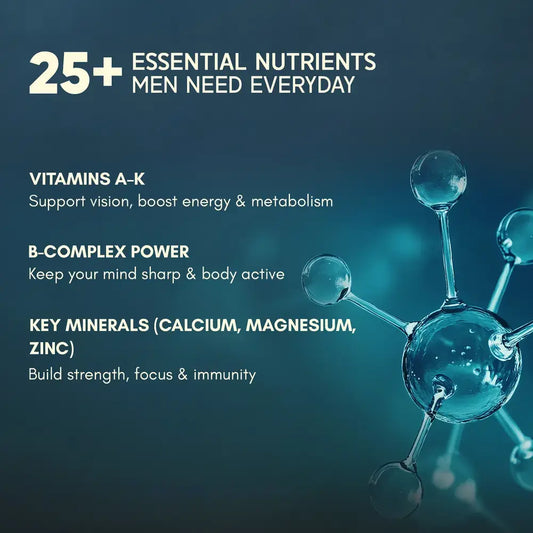
Its Men’s Multivitamin Tablets combine 14 essential vitamins, 12 minerals and six functional blends, including a T-Charge blend with ginseng.
The idea is simple. Knowing the name of an ingredient is no more important than knowing its identity, composition and quality.
Key Takeaways
-
Ginsenosides are natural compounds found in Panax ginseng.
-
They are classified into two major groups, PPD and PPT.
-
The percentage of ginseng extract is the amount of the described compounds.
-
Panax ginseng is standardized to ensure consistency from batch to batch.
-
Higher percentage does not automatically mean better effectiveness.
-
Individual compound profiles, ingredient quality, and testing – all those things matter.
The bottom line: Understanding what ginsenosides are helps understand what is actually going into a ginseng supplement. Judging an extract by name or amount is less informative than knowing its composition to be able to assess its quality.
Frequently Asked Questions:
1. Are ginsenosides present in foods other than ginseng?
Ginsenosides are particularly present in Panax species and are not generally present in foods we would eat on a daily basis, like vitamins and minerals.
2. What is the difference between total ginsenosides and individual ginsenosides?
The total ginsenosides are the sum of the measured compounds in an extract, and the individual ginsenosides are specific compounds such as Rb1, Rg1 and Re. Two extracts could have the same total percentages, but the individual profiles can differ.
3. Are all ginsenosides equally beneficial?
No. Different ginsenosides have different chemical structures and biological activities. For example, Rg1, Rb1 and Rg3 were checked for various possible effects. Their presence and concentration can influence the overall chemical profile of an extract.
4. What is the difference between red ginseng and white ginseng?
Both white and red ginseng are derived from the plant Panax ginseng. Differences occur due to the processing it undergoes. White ginseng is dried after harvest, while red ginseng is steamed and then dried. Heat processing can alter the ginsenosides within, along with certain compounds such as Rg3.
5. Is 10% ginsenosides better than 4% ginsenosides?
Not necessarily. A higher ginseng extract percentage indicates a greater concentration of measured ginsenosides, but it does not automatically establish superior effectiveness. The individual compound profile, extraction method and clinical evidence are equally important.
Disclaimer: This article is for educational purposes only and does not replace professional medical advice. Supplements are not substitutes for a balanced diet or medical treatment. Consult a qualified healthcare professional before considering supplementation, particularly if you have an existing health condition or take medication.


